

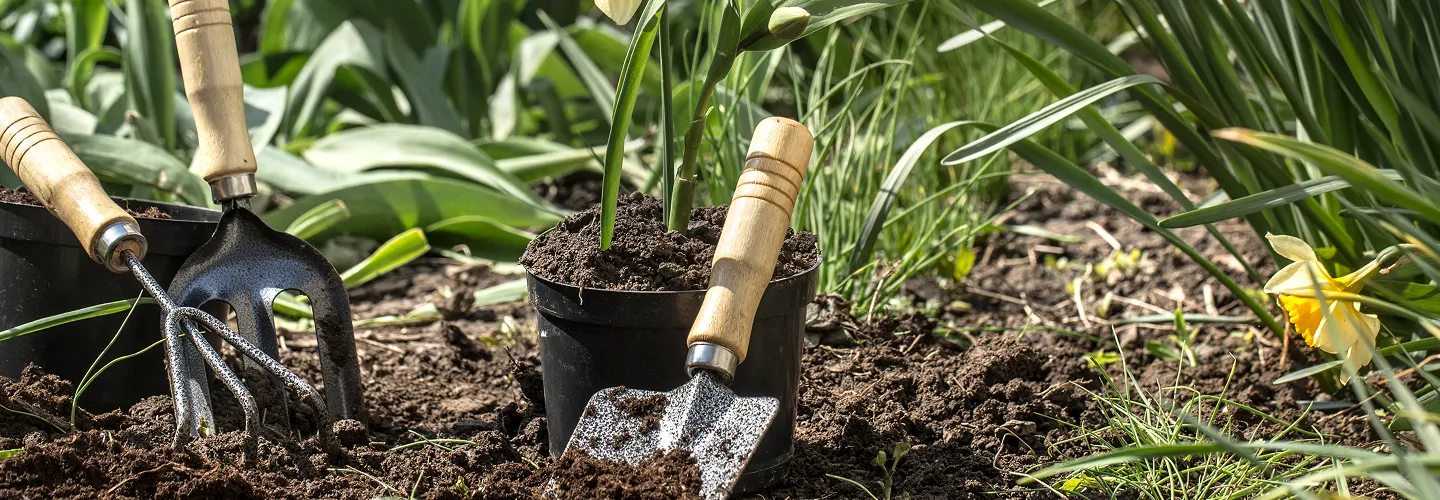
Cambridge Lawn Renovation Services
Choose our expert lawn renovation services for a lush, healthy, and vibrant yard—our experienced team uses proven techniques and premium materials to restore your lawn’s beauty and boost your home’s curb appeal.
Get a Free QuoteWhen to Schedule Lawn Renovation in Cambridge, Massachusetts – Seasonal Guide
Timing your lawn renovation in Cambridge, Massachusetts is crucial for achieving a lush, resilient yard that thrives year-round. The best periods for renovation are typically late summer to early fall, when soil temperatures remain warm but the intense heat of midsummer has subsided. This window allows new grass seed to establish before the first frost, which usually arrives in late October. Spring can also be suitable, but unpredictable rainfall and lingering cold snaps may hinder optimal growth.
Cambridge’s unique landscape—ranging from the shaded streets of Harvard Square to the open lawns near Fresh Pond—means homeowners must consider local environmental factors. Dense tree canopies can limit sunlight, while the city’s clay-heavy soils retain moisture but may compact easily. Humidity levels and the risk of summer droughts, especially in neighborhoods like West Cambridge, also play a role in determining the best renovation schedule. For more information on local climate and soil data, visit the Sudbury, MA municipal site.
Local Factors to Consider for Lawn Renovation in Cambridge
- Tree density and shade coverage (e.g., Mid-Cambridge vs. Riverside)
- Soil type and drainage, especially in older neighborhoods
- Average precipitation and risk of summer drought
- Frost dates and seasonal temperature swings
- Terrain slope and potential for runoff
- Municipal watering restrictions or guidelines
Benefits of Lawn Renovation in Cambridge
Expert Landscaping Services
Customized Lawn Solutions
Eco-Friendly Practices
Timely Project Completion
Comprehensive Lawn Care
Local Cambridge Specialists
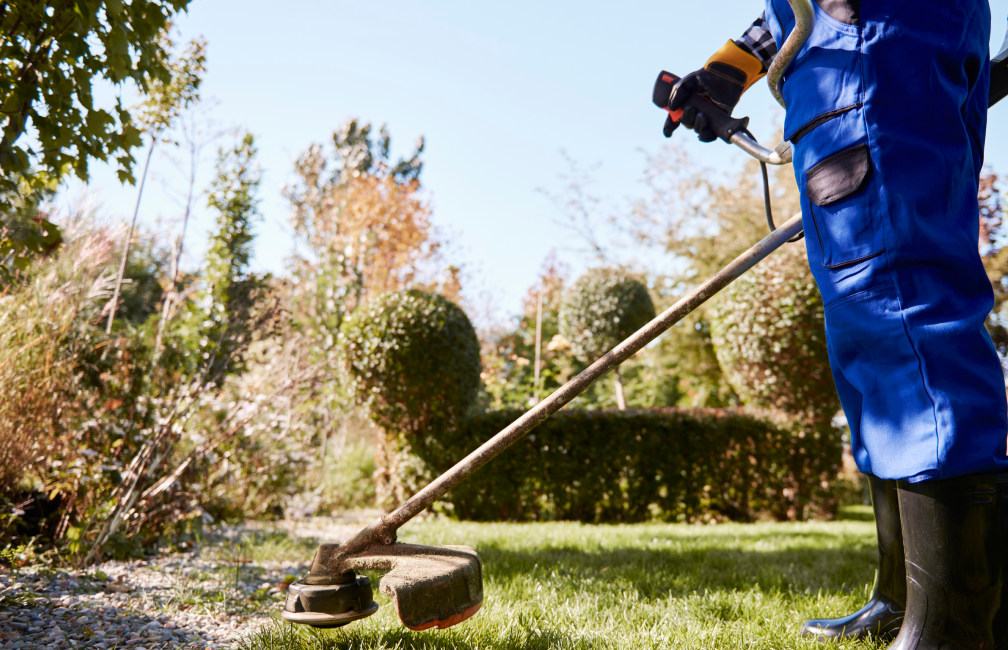
Cambridge Lawn Renovation Types

Aeration and Overseeding
-
Sod Installation
-
Topdressing
-
Dethatching
-
Soil Amendment
-
Weed and Pest Control
-
Irrigation System Upgrades
Our Lawn Renovation Process
Site Evaluation
Soil Preparation
Seeding or Sodding
Watering and Fertilization
Ongoing Maintenance
Why Choose Cambridge Landscape Services
-
Cambridge Homeowners Trust Us
-
Expert Lawn Maintenance
-
Reliable Seasonal Care
-
Competitive Pricing
-
Professional Team
-
Satisfaction Guarantee
-
Personalized Service
Contact Cambridge's Department of Public Works for Renovation Debris Disposal & Soil Amendment Materials
Proper disposal of renovation debris is essential for environmental compliance and community health in Cambridge. The city offers seasonal yard waste collection (April-November), accepting old sod, thatch, and organic debris in biodegradable paper bags or loose piles—plastic bags are strictly prohibited per Massachusetts Department of Environmental Protection guidelines. For larger projects, the Transfer Station provides bulk soil and debris drop-off, typically requiring an annual resident sticker and adherence to posted hours; commercial haulers may face additional fees. Finished compost for soil amendment is often available at the Transfer Station or through municipal programs, supporting sustainable renovation. For properties with potential lead or arsenic contamination (common in pre-1978 homes and former orchards), coordinate with the Board of Health for testing and safe disposal. Debris must be staged securely to prevent migration to storm drains, with silt fences or compost filter socks installed as needed. Neighbor notification is recommended for large projects, and all work must comply with local and state organic waste regulations.
Cambridge Department of Public Works
147 Hampshire Street, Cambridge, MA 02139
Phone: (617) 349-4800
Official Website: Cambridge Department of Public Works
Comprehensive Site Assessment & Soil Testing Requirements for Cambridge's Urban Compacted Soils
A thorough site assessment is the foundation of successful lawn renovation in Cambridge, where urban compacted soils, glacial till, and marine clay predominate. Begin with mandatory soil testing through the UMass Soil and Plant Nutrient Testing Laboratory, including pH (typically 5.5-6.5 acidic), nutrient levels, organic matter, and heavy metal screening for older properties. Use the USDA Web Soil Survey to identify local soil series and drainage characteristics—expect compaction, variable water tables, and limited depth in many areas. Assessment protocols should include:
- Thatch depth measurement (renovation needed if >0.5 inches)
- Soil compaction testing (penetrometer or screwdriver)
- Drainage evaluation (percolation test)
- Grass species and weed analysis
- Moss and slope/erosion assessment
- Septic system location mapping (if present)
- Underground utility location via Dig Safe (call 811 at least 72 hours before work)
Cambridge Conservation Commission Requirements for Major Lawn Renovation Near Protected Areas
Lawn renovation near wetlands, streams, ponds, or vernal pools in Cambridge requires strict compliance with the Massachusetts Wetlands Protection Act and local bylaws. The Conservation Commission oversees permits for any soil disturbance within 25-50+ feet buffer zones of resource areas. Submit a Request for Determination of Applicability (RDA) or Notice of Intent (NOI) as appropriate. Special considerations include:
- Habitat protection for rare species and vernal pool amphibians (March-June restrictions)
- Immediate stabilization (mulching within 24 hours of disturbance)
- Erosion control (silt fence, compost filter socks)
- Coordination with the Historic District Commission for properties in designated districts
- Consultation with Massachusetts Department of Environmental Protection and Massachusetts Natural Heritage for sensitive sites
Cambridge Conservation Commission
344 Broadway, Cambridge, MA 02139
Phone: (617) 349-4680
Official Website: Cambridge Conservation Commission
Integrated Renovation Methods: Dethatching, Aeration, Soil Amendment & Establishment in Cambridge
A science-based renovation sequence is essential for Cambridge's diverse soils. Always notify Dig Safe 72 hours before any soil disturbance. The process includes:
- Selective or complete vegetation removal (herbicide timing if needed)
- Soil testing and amendment planning (see UMass Extension Turf Program)
- Dethatching if thatch exceeds 0.5 inches
- Core aeration (multiple passes for compacted glacial till)
- Rock removal in shallow or rocky soils
- Lime application 50-100+ lbs per 1000 sq ft to correct acidic pH
- 2-4 inches compost incorporated into the top 6-8 inches for structure and water retention
- Equipment selection for local soil conditions
- Fall renovation (late August-September) is strongly preferred for establishment before winter
- Mulching and erosion control on slopes
- Safety protocols: PPE, equipment checks, and site access planning
Sod vs. Seed Selection for Cambridge's Climate Zone 6b & Environmental Conditions
Choosing between sod and seed depends on Cambridge's climate (Zone 6b), site conditions, and project goals. Sod offers immediate coverage but is 5-10x the cost of seed and requires intensive irrigation during establishment—challenging during Massachusetts summer water restrictions. Seed (typically 2-4 weeks germination, 8-12 weeks establishment) allows for greater species diversity and adaptation. For shaded sites under mature trees, use fine fescue blends (50-70%) as recommended by UMass Extension. For drought-prone sandy soils, select turf-type tall fescue; for coastal or salt-affected areas, choose salt-tolerant varieties. All options must tolerate acidic soils. Fall seeding is preferred for optimal establishment, while spring is a secondary window. Consider maintenance expectations, deer pressure, and integration with pollinator-friendly or native alternatives.
Cambridge Water Management Guidelines & Municipal Permits for Renovation Projects
Cambridge's water supply is managed by the municipal Water Department, with seasonal restrictions common during summer (odd/even address schedules, drought bans). New lawn establishment may qualify for a 30-day exemption with notification—verify current policies. Irrigation system installation requires permits from the Building Department/Inspectional Services (plumbing and electrical), and all systems must include a backflow prevention device with annual testing per Massachusetts Department of Environmental Protection Cross-Connection Control Program. Water conservation is encouraged through smart controllers, rain sensors, and drought-tolerant species selection. For properties with wells or septic systems, coordinate with the Board of Health to ensure proper setbacks and avoid compaction over leach fields.
Cambridge Water Department
250 Fresh Pond Parkway, Cambridge, MA 02138
Phone: (617) 349-4770
Official Website: Cambridge Water Department
Cambridge Building Division
831 Massachusetts Avenue, Cambridge, MA 02139
Phone: (617) 349-6100
Official Website: Cambridge Building Division
Post-Renovation Stormwater Management in Compliance with Cambridge's MS4 Permit Program
All renovation projects in Cambridge must comply with MS4 permit requirements under the Clean Water Act, Massachusetts Clean Waters Act, and MassDEP Stormwater Management Standards. Best management practices include:
- Immediate stabilization (mulching within 24 hours of soil disturbance)
- Erosion control blankets on slopes >10-15%
- Sediment barriers (silt fence, compost filter socks) at property boundaries and near storm drains
- Material staging on pervious surfaces away from resource areas
- Coordination with the Conservation Commission for properties near wetlands or water bodies
- Long-term benefits: improved infiltration, reduced runoff and nutrient loading to the Charles River watershed
- Enforcement includes inspection, reporting for projects >1 acre, and correction of violations in coordination with Massachusetts Department of Environmental Protection
What Neighborhoods Do We Serve Throughout Cambridge, MA?
Cambridge's neighborhoods each present unique renovation challenges:
- West Cambridge: Predominantly glacial till with moderate compaction, mature tree shade, and proximity to Fresh Pond (Conservation Commission jurisdiction). Narrow streets and historic properties require careful equipment access and Dig Safe coordination.
- North Cambridge: Variable soils (glacial till, some sandy outwash), high water tables in spring, and older infrastructure. Septic system setbacks and Board of Health coordination may be needed in fringe areas.
- Cambridgeport: Urban compacted soils, limited depth, and high density. Drainage improvements and Historic District Commission review are common.
- East Cambridge: Marine clay soils with poor drainage, salt exposure near the Charles River, and frequent Conservation Commission buffer zones. Stone wall preservation and aesthetic standards are important.
- Mid-Cambridge: Mixed soils, mature landscaping, and high deer pressure. Maintenance access can be limited by narrow lots and historic features.
- Agassiz and Riverside: Rocky shallow soils, variable pH, and proximity to Harvard and MIT campuses. Community involvement in environmental initiatives is strong.
Cambridge Municipal Ordinances for Renovation Equipment Operation & Commercial Service Standards
Renovation activities in Cambridge are governed by municipal ordinances to ensure public safety and neighborhood quality of life. Equipment operation is typically restricted to 7 AM-7 PM weekdays, 8 AM-6 PM Saturdays, with limited or prohibited Sunday hours (often 9-10 AM start). Commercial services must be licensed through the City Clerk, with proof of liability and workers' compensation insurance as required by Massachusetts law. Permits from the Building Department, Conservation Commission, and Historic District Commission (where applicable) are mandatory for major projects. Dig Safe notification is required 72 hours before any excavation. All work must comply with noise, dust, and debris containment standards, and public safety measures must be in place throughout the project.
Cambridge Planning Board
344 Broadway, Cambridge, MA 02139
Phone: (617) 349-4668
Official Website: Cambridge Planning Board
Cambridge Public Health Department
119 Windsor Street, Cambridge, MA 02139
Phone: (617) 665-3800
Official Website: Cambridge Public Health Department
For further technical guidance, consult UMass Extension and UMass Extension Turf Program for science-based renovation protocols tailored to Massachusetts conditions.